
Originally published: April 6, 2025 · Last reviewed: September 28, 2026
Nudify AI is not automatically safe or legal simply because an image is generated by software. The answer depends on the subject, consent, age, jurisdiction, service terms, storage practices and how the output is shared. This guide provides a risk checklist, not legal advice.
The Essential Boundary: Consent
Do not create sexualized imagery of an identifiable person without their explicit, informed permission. Consent to take or share an ordinary photograph is not consent to generate an intimate version. Permission should cover the intended transformation, storage and audience, and it can be withdrawn.
Use only fictional adults, original adult characters, or consenting adults. Never process images of minors, age-ambiguous subjects or anyone who cannot provide informed consent.
Is Nudify AI Legal?
There is no universal answer. Laws differ by country and sometimes by state or region. Relevant rules may cover non-consensual intimate imagery, digitally altered sexual content, harassment, impersonation, privacy, defamation, copyright and child protection. Distribution can create additional liability beyond private creation.
Do not rely on a provider’s marketing page as legal guidance. Check the law where you live and where the depicted person lives, and obtain qualified advice for any uncertain use. The safest practical rule is simple: do not create, possess or share sexualized content involving a real person without clear adult consent.
Privacy and Data Risks
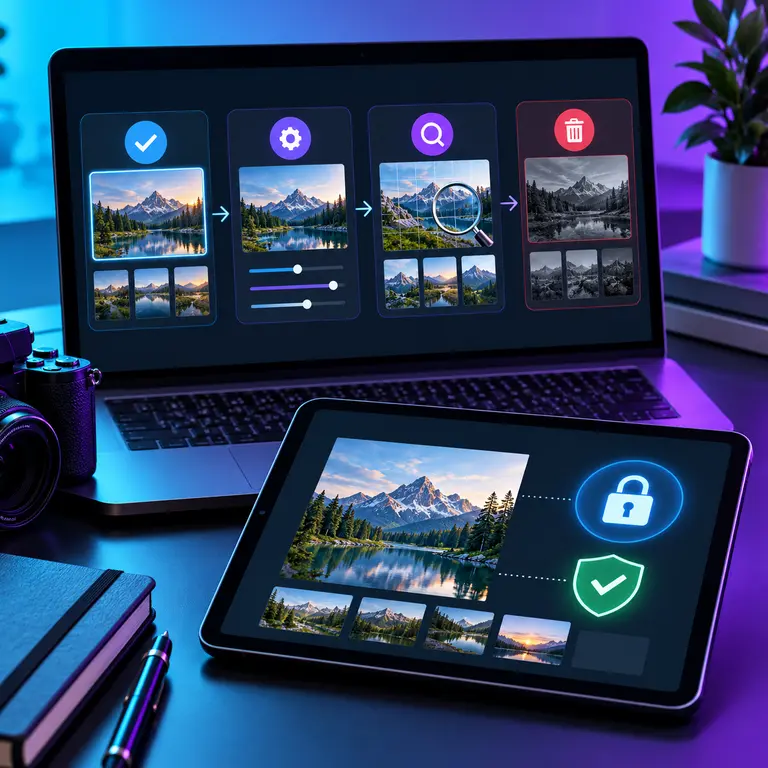
An upload may expose more than the visible subject. Files can contain location metadata, device details and recognisable backgrounds. A provider may retain uploads, generated results, account identifiers or payment records.
Before using a service, confirm:
- whether uploads are stored and for how long;
- whether files or outputs may be used for model training;
- how to delete an upload, generation history and account;
- whether processing is encrypted in transit;
- which company operates the service and how to contact it;
- how subscriptions renew and how cancellation works.
Security and Billing Warning Signs
- an unknown APK, desktop installer or browser extension is required;
- the service requests contacts, messages or unrelated device permissions;
- there is no privacy policy, company identity or deletion process;
- pricing is hidden until after card details are entered;
- the site promises access to “real” hidden anatomy;
- support, cancellation or refund terms cannot be found.
A VPN does not solve unsafe storage, malicious software or non-consensual use. Local processing can reduce cloud exposure, but it does not remove ethical, copyright or legal responsibilities.
Responsible-Use Checklist
- Confirm every depicted person is an adult and explicitly consented.
- Prefer fictional or fully synthetic adult subjects.
- Remove unnecessary metadata and identifying background details.
- Read retention, training, deletion and billing terms before uploading.
- Keep outputs private unless sharing is authorised and appropriate.
- Label synthetic or materially altered imagery when realism could mislead viewers.
- Delete source files and account history when they are no longer needed.
Help for Non-Consensual Imagery
If intimate imagery has been created or shared without permission, save evidence and use the platform’s reporting process. The U.S. Federal Trade Commission explains that image-based abuse can involve real, digitally altered or AI-generated material in its consumer guidance. Adults can also review StopNCII.org. For imagery taken when a person was under 18, see Take It Down.
Conclusion
The safest approach is consent-first, adult-only and privacy-minimising. A technically functional tool can still be unsafe because of its data practices, billing model or intended use. Treat every upload as sensitive and never assume that a realistic-looking result represents reality.